
On October 15, 2026, Google switched on Universal Cart for U.S. shoppers in Search and the Gemini app. Consumers will see it as a convenience feature. Merchants should see it as a shift in where the buying decision happens and in what Google needs from your product data before it puts your items in front of a ready buyer.
Shoppers can now save products from different retailers into one cart hosted by Google, get alerts when prices fall, and check out without ever landing on your product page. If your store isn’t set up for that flow, the sale still happens. It may just happen with someone else.
What Universal Cart Actually Does
Google previewed the cart earlier this year, and the live version works across AI Mode in Search and the Gemini app. Saved items follow the shopper between the two. Someone can add running shoes while asking AI Mode about marathon gear on Monday, then drop in a jacket from a different store through Gemini on Thursday. Both sit in the same cart waiting for them.
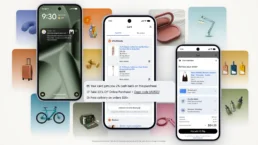
The features that matter most to merchants:
- Cross-retailer saving. Items from many stores live side by side, replacing the open tabs and screenshots shoppers used to juggle.
- Background price and stock monitoring. The cart runs on Google’s Shopping Graph, which Google says holds more than 60 billion continuously refreshed product listings. Shoppers get notified when a saved item drops in price or comes back in stock.
- Payment and promo guidance. Because the cart is connected to Google Wallet, it can recommend which of a shopper’s cards earns the best perks on a purchase and surface promo codes that apply.
- Two checkout paths. Shoppers can pay with Google Pay inside the cart at participating stores, or send the items to the merchant’s own cart and finish on the retailer’s site.
Checkout is powered by the Universal Commerce Protocol (UCP), the standard Google uses to connect its AI shopping surfaces to merchant checkout systems. Early participants include Nike, Sephora, Target, Ulta Beauty, Walmart, Wayfair and many Shopify stores. In every case the retailer stays the seller of record and handles order confirmations and customer support.
Why This Launch Matters More Than Most Shopping Updates
Most of Google’s shopping changes over the past decade adjusted how products were displayed. Universal Cart changes when the shopper leaves Google. Comparing, tracking prices and even paying can now happen inside Google’s interface, which means a growing share of purchase decisions will be made from the data Google already holds about your products rather than from your product detail page.
Your Product Feed Is Now Your Sales Floor
Price-drop and back-in-stock alerts only fire when Google has accurate, current data. A feed that lags behind your live site pricing means a missed alert at the moment a shopper is ready to buy. A mismatch between the feed price and the checkout price is worse, because it adds friction at the exact step Universal Cart was built to make effortless.
Promotions Become a Discovery Tool
The cart surfaces relevant promo codes on its own. Google hasn’t published exactly where it pulls those codes from, but Merchant Center promotions are the source you control. A properly submitted holiday offer gives a shopper a reason to keep your listing over an identical product from a competitor. Codes that live only in your email campaigns won’t get that exposure.
Getting Into the Cart Starts in AI Search
Universal Cart only helps you if your products end up in it, and shoppers add items while they research inside AI Mode and Gemini. Your products need to appear in those AI answers first. That is an answer engine optimization problem more than a classic rankings problem, and it is the focus of TDM’s AI-Driven Impact Marketing (AIM) program, which optimizes product and category pages to earn mentions in AI-generated shopping answers.
The Customer Relationship Gets Thinner
Keeping seller-of-record status means you still own the order, the return and the support conversation. What shrinks is the browsing behavior that used to happen on your site, including product views and the abandoned carts you could retarget. Brands that lean heavily on onsite remarketing should expect some of that signal to fade as more shoppers save and compare inside Google.
What Ecommerce Merchants Should Do Now
Holiday shoppers lean hardest on price tracking and deal hunting, which is exactly the behavior Universal Cart rewards. Here is where to focus before peak season:
- Audit Merchant Center for errors and disapprovals. Prioritize price and availability mismatches, since those are what trigger the cart’s alerts.
- Increase your feed update frequency. If you run flash sales or have fast-moving inventory, a once-a-day feed is too slow to keep up.
- Load your holiday offers as Merchant Center promotions. This gives them a chance to appear when the cart looks for savings.
- Check your checkout eligibility. Shopify merchants should confirm whether their store is enabled for Google’s agentic checkout options. Stores on other platforms should ask their provider about UCP support.
- Tighten product titles, descriptions and attributes. When items sit side by side in a cart, the listing with complete and specific details wins the tiebreaker.
- Revisit your Shopping and Performance Max campaigns. Paid product listings feed the same discovery moments that send items into the cart, so feed quality and campaign structure now affect both. Our performance marketing team manages Google Shopping and Performance Max with feed optimization built into the work.
- Set an attribution baseline. Sales that begin in a Google-hosted cart may show up differently in your analytics. Record your current numbers now so you can measure the shift accurately in January.
The Bigger Picture: Agentic Commerce Is Arriving in Stages
Google frames its commerce roadmap as two parallel efforts. One builds AI agents that act on a shopper’s behalf. The other builds practical tools that keep the shopper in control. Universal Cart belongs to the second group, since the shopper still makes the final call and taps buy.
The plumbing underneath is what deserves attention. UCP is the same infrastructure that will let AI agents complete purchases on their own as those capabilities mature. Treat this launch as a dry run. Brands that clean up their product data and AI visibility now will be ready when shoppers hand more of the process to an agent, while brands that wait will be catching up at a time when AI recommendations decide which stores get considered at all.
Frequently Asked Questions About Google Universal Cart
Is Google’s Universal Cart available now?
Yes. It launched in the United States on October 15, 2026, in Google Search (including AI Mode) and the Gemini app.
Do merchants need to sign up for Universal Cart?
Google hasn’t announced a separate enrollment process for the cart itself. Products come from the Shopping Graph, so an active and accurate Merchant Center feed is the starting point. Direct checkout with Google Pay inside the cart is currently available with select retailers and many Shopify merchants.
Who handles returns and customer service for Universal Cart orders?
The merchant does. The retailer remains the seller of record, sends the order confirmation and provides customer support.
What is the Universal Commerce Protocol?
UCP is the standard Google uses to connect its AI shopping experiences with merchant checkout systems. It powers checkout in Universal Cart and forms part of the foundation for agentic commerce, where AI agents complete transactions for shoppers.
Get Your Store Ready for AI-Driven Shopping
Universal Cart favors stores with clean product data and a real presence in AI shopping answers. Triangle Direct Media has helped ecommerce brands adapt to every major Google shift since 2006, and this one rewards the brands that move before the holiday traffic peaks.
Want to see how your products show up in AI Mode and Gemini right now? Request your free AI search visibility audit or call our Cary team at 919.228.2475.
Feature details compiled from Google’s official Universal Cart announcement on The Keyword, published October 15, 2026.